Can Roof Washing Remove Lichen Without Damaging Tiles?
@paxtonjyty131
October 24, 2026 · 9 min read
Yes, roof washing can remove lichen without damaging tiles, provided the cleaning method suits the roof’s material, condition and manufacturer’s instructions. The safest approach is not necessarily the fastest. Aggressive pressure washing, scraping or unsuitable chemicals can damage tile surfaces, disturb pointing and force water into the roof space.
For Melbourne homeowners, effective lichen removal starts with an inspection and a controlled treatment plan. In many cases, low-pressure application of a suitable cleaning product, followed by gentle rinsing or gradual weathering, is preferable to trying to blast every mark away immediately.
This guide explains how lichen affects tiled roofs, which cleaning methods carry the greatest risks, and what to ask before booking professional roof cleaning.

What Is Lichen, and Why Does It Grow on Melbourne Roofs?
Lichen is a partnership between a fungus and a photosynthetic organism, usually an alga or cyanobacterium. It commonly appears as firmly attached grey, white, green, yellow or orange patches. Unlike loose dirt, it adheres closely to the tile surface, which makes removal more challenging.
Melbourne’s cool, damp periods create favourable conditions for growth, particularly where roof surfaces dry slowly. Shaded roof sections, areas beneath overhanging trees and surfaces with accumulated debris often develop more noticeable growth. Older, rougher tiles can also provide suitable attachment points.
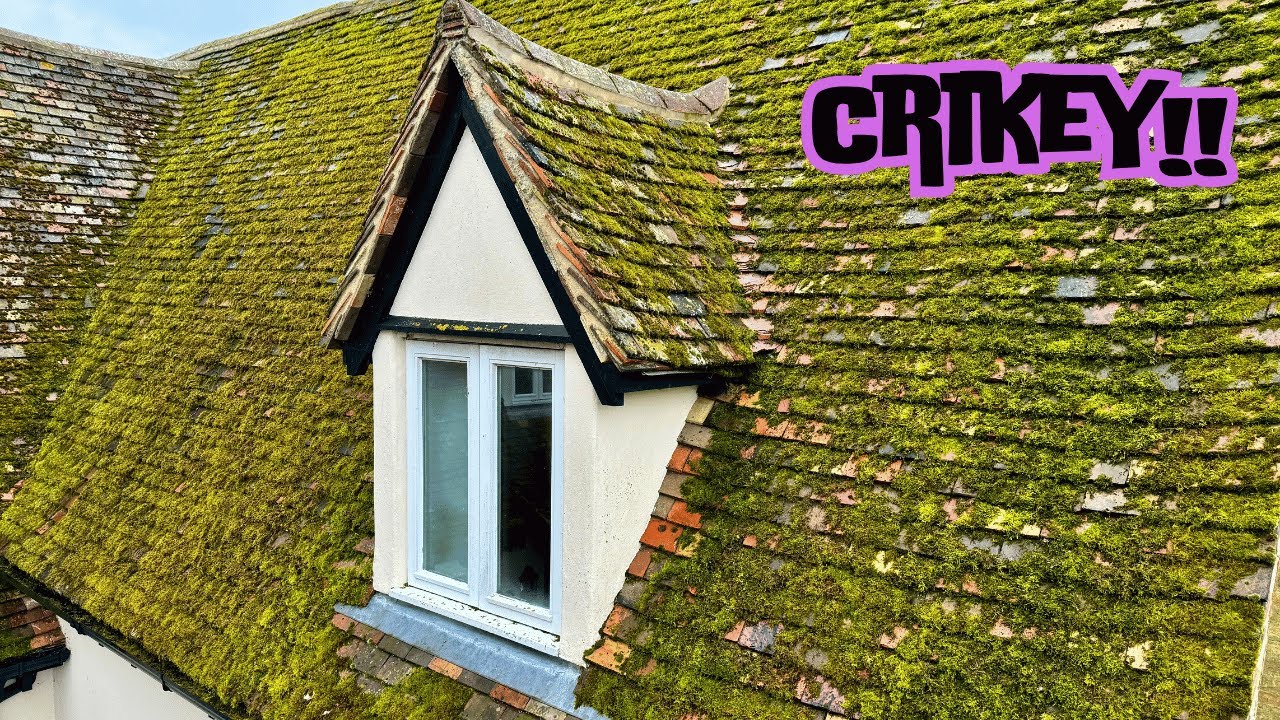
Lichen differs from moss, which generally forms thicker, softer clumps. The distinction matters because a cleaning method that lifts loose moss may not safely remove tightly attached lichen.
Does Lichen Mean the Roof Is Damaged?
Not necessarily. Lichen can grow on tiles that remain serviceable, and visible growth alone does not establish that a roof needs replacement or restoration. However, extensive coverage can make it harder to inspect the underlying surface and may coexist with moisture retention, accumulated debris or age-related deterioration.
Lichen does not have true roots, but its fungal structures attach closely to surface irregularities. Trying to scrape these attachments away can remove weakened tile material along with the growth. A roof inspection should distinguish cosmetic contamination from problems such as cracked tiles, deteriorated coatings or failing ridge pointing.
Why the Tile Type Determines the Cleaning Method
There is no single safe pressure setting or cleaning solution for every tiled roof. Appropriate tile roof cleaning depends on the material, surface finish, age and existing condition.
Concrete Roof Tiles
Concrete tiles may have a factory-applied finish or a later restoration coating. As the surface ages, aggressive washing can strip colour, expose aggregate or remove an already weakened coating. A patchy appearance after cleaning may indicate pre-existing deterioration, cleaning damage, or both.
Before washing, the contractor should assess whether the surface is sound, chalky, flaking or previously recoated. Cleaning should not be used to conceal the need for repairs, and repainting should not automatically be presented as necessary after lichen removal.
Terracotta Roof Tiles
Terracotta tiles can be glazed or unglazed, with different surface characteristics and maintenance requirements. Their durability does not make every cleaning technique suitable. Older tiles may be brittle, and unsuitable pressure or abrasive brushing can damage their surfaces or edges.
Manufacturer guidance is particularly important for glazed finishes. A small test area can help identify surface changes before work proceeds across the roof, although it cannot guarantee that every tile will respond identically.
Previously Restored or Fragile Roofs
A roof with peeling paint, loose ridge caps, cracked tiles or deteriorated bedding and pointing needs assessment before washing. Cleaning can expose existing weaknesses, while water pressure and foot traffic may worsen them.
Where the roof is structurally unsound or the surface is badly deteriorated, repairs or specialist advice should come before cleaning.
Soft Washing Versus Pressure Washing for Lichen
“Soft washing” generally describes applying a cleaning solution at low pressure rather than relying on force to remove growth. It can reduce mechanical stress on tiles, but the term alone is not proof of a safe service. Chemical selection, concentration, application technique and runoff control remain essential.
Low-Pressure Treatment
A suitable treatment can kill or deactivate lichen so that its attachment gradually weakens. Depending on the product and roof, remaining material may then be gently rinsed away or left to weather off over time.
This approach can avoid the damage associated with forcing stubborn patches off immediately. However, low-pressure treatment is not automatically harmless: an incompatible product or excessive concentration can affect coatings, metalwork, plants and other nearby materials.
Pressure Washing
Some sound tile roofs can tolerate controlled pressure cleaning when permitted by the manufacturer and performed correctly. The risk increases with excessive pressure, a concentrated nozzle, insufficient working distance or spraying against tile overlaps.
Water directed beneath tiles can enter the roof assembly, particularly where sarking, flashings or other components are defective. Pressure cleaning can also disturb pointing or strip weakened finishes. A contractor should explain why pressure is appropriate for your particular roof rather than offering the same method for every property.
Scraping and Brushing
Metal scrapers and wire brushes can scratch finishes and remove surface material. Even gentler tools require care on fragile or deteriorated tiles. Persistent lichen should prompt reassessment or further treatment in accordance with product directions, not increasingly aggressive abrasion.
What a Careful Lichen Removal Process Includes
A professional roof washing service should have a clear sequence that protects the building as well as removing growth.
- Inspect the roof: Identify the tile type, assess coatings, and check for cracks, loose ridge caps, failing pointing and vulnerable flashings.
- Plan safe access: Assess roof pitch, fragile areas, weather conditions and appropriate fall-prevention measures. Limit unnecessary walking on tiles.
- Protect the property: Plan runoff collection, protect sensitive plants and finishes, and isolate rainwater harvesting where necessary.
- Test the proposed method: Treat a discreet area to check compatibility and likely cleaning results.
- Apply the appropriate treatment: Follow the product label, including dilution, contact time, rinsing requirements and any restrictions on repeat application.
- Remove residue carefully: Use only the rinsing or weathering approach suitable for the treatment and tile surface.
- Check the finished work: Inspect accessible gutters, downpipes and roof areas for debris, damage or issues requiring follow-up.
Before-and-after photographs are useful, but immediate visual brightness is not the only measure of quality. Preserving the roof surface and preventing water entry matter more than removing every trace in one visit.
How Long Does Lichen Removal Take?
The visible result depends on the extent of growth, roof material, treatment and weather. Some methods remove much of the visible contamination during the service. Others leave treated lichen in place to gradually loosen and weather away over subsequent weeks or months.
Ask whether the quote covers immediate removal, treatment only, or a staged process. Also clarify whether a follow-up inspection or treatment is included.
Residual discolouration does not always mean live lichen remains. Conversely, a surface that looks clean immediately may still develop new growth later. No responsible contractor can guarantee that an outdoor roof will remain permanently lichen-free.
Protecting Gardens, Gutters and Rainwater Tanks
Roof cleaning creates more than a roof-surface issue. Dislodged growth, sediment and cleaning chemicals can travel through gutters and downpipes unless managed properly.

Cleaning wastewater should not be allowed to enter stormwater drains or nearby waterways unchecked. Ask how the contractor will capture or otherwise manage runoff in accordance with applicable Victorian environmental requirements. A promise that a product is “biodegradable” does not make uncontrolled discharge acceptable.
If the roof supplies a rainwater tank, its collection system needs appropriate isolation before treatment. Reconnection should follow the cleaning product’s directions and suitable flushing procedures, with particular care where stored water is used for drinking. A first-flush device alone should not be assumed to provide adequate protection.
Coordinating gutter cleaning with lichen removal also helps clear dislodged material and maintain drainage. Gutters should be assessed before work and checked afterwards, rather than used simply to carry cleaning waste away.
Special Considerations for Solar Panels and Metal Roofing
Many Melbourne homes combine tiled roofs with solar panels, metal extensions or coated flashings. Each surface may require a different approach.
Solar panel cleaning should follow the panel manufacturer’s instructions. Roof-treatment chemicals should not be assumed safe for panel glass, frames, seals or electrical components. Contractors should avoid directing pressurised water at electrical equipment and recognise that solar panels can generate electricity whenever exposed to light.
Likewise, a product suitable for concrete tiles may not suit metal roof cleaning. For COLORBOND roof cleaning, the coating manufacturer’s maintenance guidance should govern chemical compatibility, washing methods and rinsing. Mixed-material roofs require particular care around flashings, gutters and adjoining surfaces.
Is DIY Lichen Removal Worth the Risk?
For most homeowners, accessing a tiled roof to remove lichen is not a sensible DIY task. Wet growth and cleaning solutions can make surfaces extremely slippery. Roof access also introduces fall hazards and the risk of breaking tiles through incorrect foot placement.
Do not pressure-clean material that could contain asbestos. Older properties can include asbestos-cement roofing or other asbestos-containing components. Suspected material needs assessment by a competent professional, and high-pressure water cleaning of asbestos-containing material is prohibited.
https://blogfreely.net/fastofbcqf/choosing-products-for-safe-colorbond-roof-cleaning-at-homeUseful homeowner maintenance is generally ground-based: monitor visible growth, check for overflowing gutters, and arrange professional assessment when needed. Trees near the roof may benefit from appropriate pruning, but significant work should be handled by a qualified arborist and comply with any applicable council requirements.
Questions to Ask a Melbourne Roof Cleaning Company
Choose a contractor who explains how they will protect your particular roof, not simply how quickly they can clean it.
- What tile material and surface finish do I have, and is the proposed method compatible?
- Are repairs needed before washing begins?
- What treatment will you use, and how will you protect plants, metalwork and solar panels?
- How will you manage wastewater and isolate any rainwater tank?
- Will lichen disappear immediately or weather away gradually?
- What insurance, roof-access precautions and follow-up arrangements apply?
A detailed written quote should distinguish cleaning from repairs, recoating and ongoing maintenance. Be cautious of blanket claims that all roofs require high pressure or that every lichen-covered roof needs restoration.
The Bottom Line: Remove Lichen, Not the Tile Surface
Safe lichen removal is possible when roof washing is matched to the tiles and their condition. The best result comes from inspection, compatible treatment, controlled application and responsible wastewater management—not maximum pressure.
For a Melbourne roof with visible lichen, arrange an assessment before committing to a cleaning method. A careful contractor will explain what can be removed safely, what may take time to weather away, and which defects need attention first. That approach improves appearance while protecting the roof’s more important job: keeping your home weatherproof.
Melbourne Roof Cleaning Pros
2/19 Chandos St, Cheltenham VIC 3192
ph. (03) 4514 5137